

Erectile Dysfunction Treatment
Generic Viagra
Generic Cialis
Generic Levitra
Pain Meds
Pregabalin Capsules
Soma Pills
Tapentadol
The Ultimate Guide to Natural Muscle Relaxers
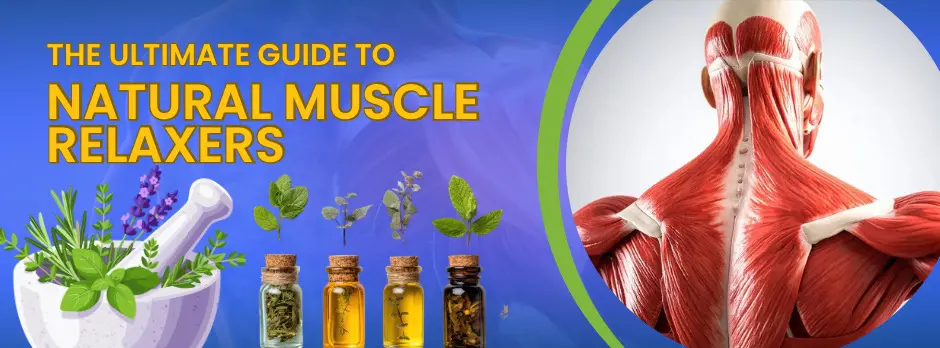
From injuries to sharp muscle spasms, prescription and over-the-counter muscle relaxers have been the immediate go-to pain relief. However, these muscle relaxers do not necessarily heal the muscle. Instead, they shut off communication between your nervous system and your brain regarding the pain.
While there is nothing wrong with taking prescription medication from time to time, regular use can become addictive and dangerous when not used as intended.
If you are looking for natural ways to relieve muscle pain, there are many foods, vitamins, and self-care items that can help.
In this blog, we will list a few natural muscle relaxers you can use for muscle pain.
What Are Natural Muscle Relaxers?
Natural muscle relaxants are substances of natural origin that are capable of relaxing the muscles. These can be useful in several situations, as our muscles can be subject to contractions, tension, pain, and movement difficulties due to various causes such as incorrect postures, bruises, temperature changes, and physical or psychological stress.
Natural muscle relaxants work by relaxing the muscles and help release tension, thus promoting physical wellness and relaxation. There are various types of natural muscle relaxants, and each can be used in different ways, such as creams, ointments, herbal teas, or internally. Their use may vary depending on your personal preference, offering a versatile and natural solution for body care [1].
Best Natural Muscle Relaxers

Below are some of the best natural muscle relaxers –
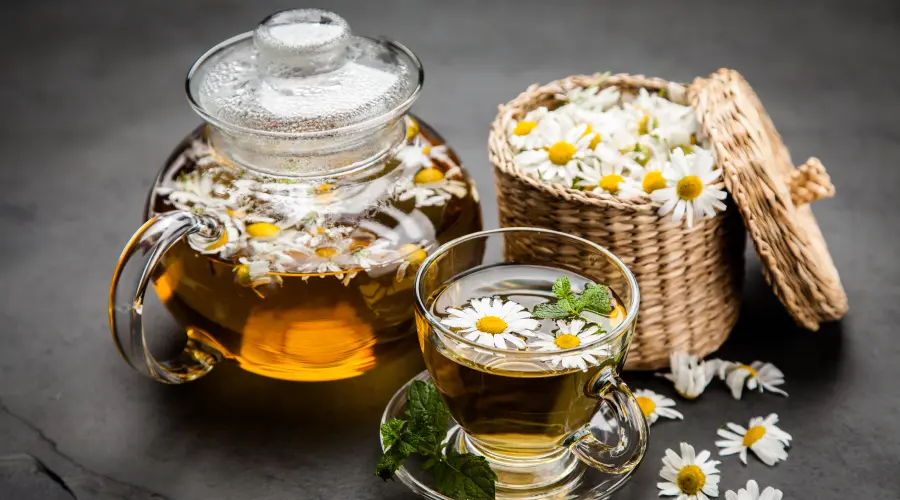
Chamomile
Chamomile tea contains 36 flavonoids that have anti-inflammatory properties. These help heal and soothe contractions and pain. Chamomile oil is also useful for muscle relaxation. It can be directly massaged onto the affected area.
One study found that chamomile may improve osteoarthritis and joint function in the knee. Another study by Babak Daneshfard et al. indicates that chamomile oil may reduce symptoms and improve function for individuals with mild amd moderate carpal tunnel syndrome (a condition that causes pain, tingling, weakness, and numbness in your hand and wrist).
Epsom salt
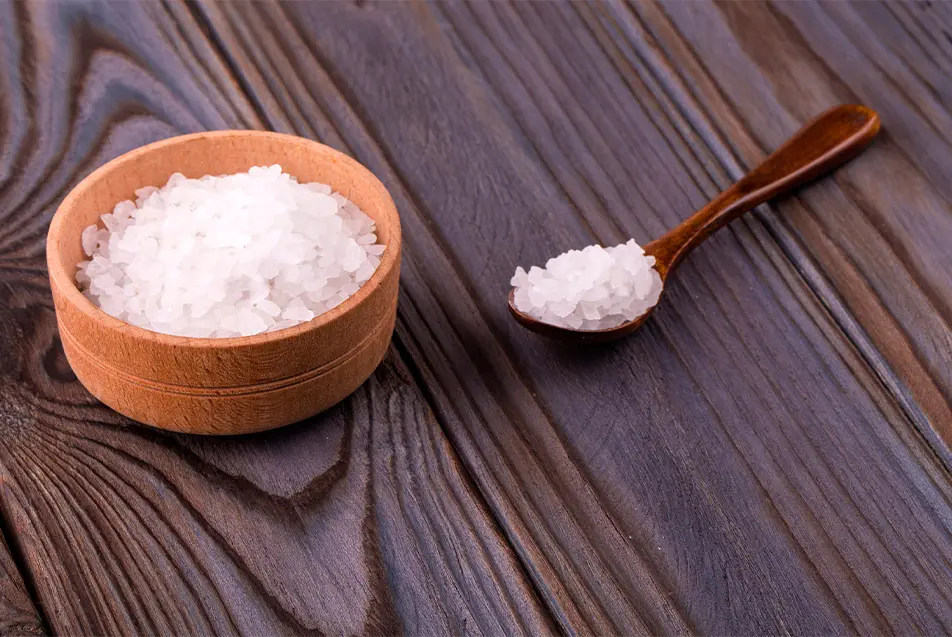
It is a natural compound that people use to relax muscles and relieve pain.
You can use it by adding 2 cups of warm water and letting the body soak in it. When absorbed by your body, Epsom salt helps relieve muscle pain and discomfort due to its magnesium content. Oftentimes, muscle spasms result due to a deficiency in magnesium content in the body, and this method supplies the body with adequate magnesium, promoting relief.
Peppermint
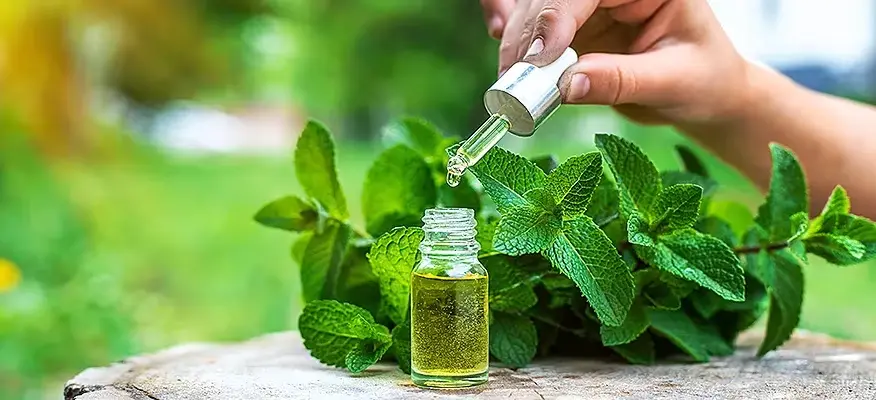
Another potent natural muscle relaxer is peppermint. It is very effective in treating sore muscles, tension headaches, leg pain, and backaches. The presence of menthol in peppermint offers antispasmodic and anti-inflammatory properties that help relieve muscle pain and inflammation. It even improves blood circulation which helps alleviate pain and spasms.
Cherry juice and extracts
Cherries are rich in antioxidants and have anti-inflammatory properties which may help in muscle relaxation and reduce muscle damage and soreness.
A study by Kerry S Kuehl and colleagues showed that tart cherry juice and extracts could help marathon runners and athletes relieve muscle sprains and injuries. Additionally, cherry juice helps reduce muscle damage and helps in faster recovery [2].


Cayenne pepper
Not only is cayenne pepper used in your kitchen to enhance the taste of spicy dishes, but it also has several medicinal properties. This common cooking ingredient is one of the well-known muscle relaxers and is recommended to people with rheumatoid arthritis and fibromyalgia. It reduces pain and muscle cramps.
Warm two tablespoons of olive oil and add a teaspoon of cayenne pepper to it. Massage the affected region with it and leave it for half an hour. After 30 minutes, wash it off with water [3].
Curcumin
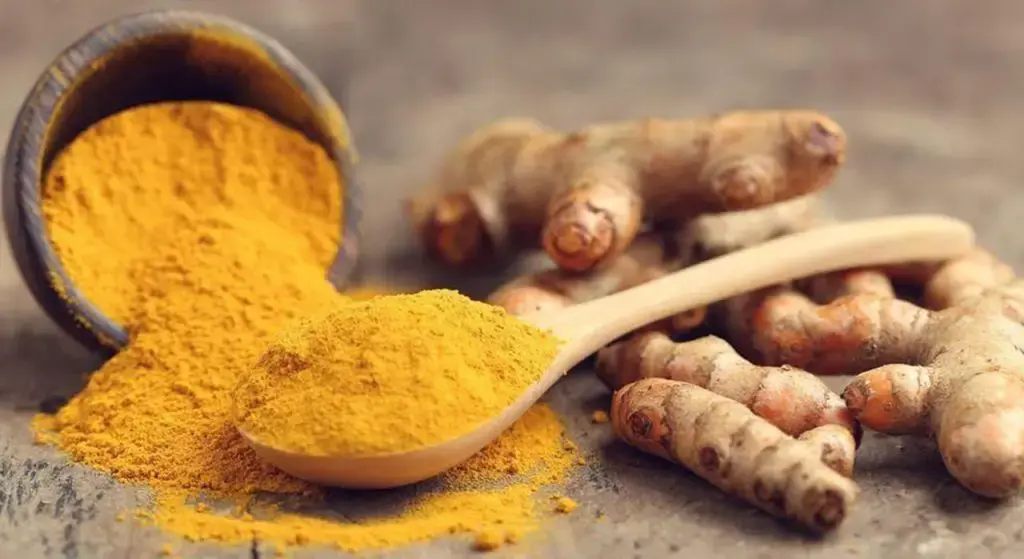
Curcumin is a yellow pigment derived from turmeric. It has anti-inflammatory properties. Some studies indicate that curcumin may reduce inflammatory markers after a workout. Incorporating turmeric or taking a curcumin supplement into your diet may help relax the muscles.

Comfrey
The root of comfrey has traditionally been used to address muscle and joint pain.
According to a study, Comfrey cream can quickly reduce muscle pain. A few clinical studies also indicated that comfrey helps reduce ankle pain, back pain and the symptoms of osteoarthritis.
Alternatives to Natural Muscle Relaxers

If your muscle pain is severe and natural ways are not providing relief, there are several other treatment options to help relieve muscle aches and pain, including medications and alternative therapies.
Muscle Relaxants
When muscle pain is accompanied by spasms or stiffness, muscle relaxants like Soma (Carisoprodol) can be particularly effective. These medications help reduce muscle tension and promote relaxation, which in turn helps relieve pain and discomfort.
Anti-Inflammatory Gels and Rubs
Topical treatments such as piroxicam, diclofenac, or ibuprofen gels target inflammation caused by injury. By reducing the body’s inflammatory response, these products support healing and help alleviate pain.
Acupuncture
Acupuncture is another option for managing muscle pain. This traditional therapy involves inserting fine needles into specific points on the body to stimulate healing processes and reduce pain levels.
When to See a Doctor

If natural muscle relaxers are not providing effective pain relief, you should see a doctor when the pain does not improve after a few days or starts getting worse. You should also get medical help if you have trouble moving the muscle or joint. Swelling, redness, or warmth in the area can be a sign of something more serious, especially if the pain started after a fall or injury. It is also important to see a doctor if the pain is stopping you from doing everyday activities or sleeping.
Conclusion
Natural muscle relaxers can be a gentle and effective way to ease pain, reduce tension, and support healing. From herbs and teas to salts and spices, these remedies offer simple options you can try at home. But if your pain continues, gets worse, or affects your daily activities, make sure to see a doctor.
Warning
Carisoprodol is a Schedule IV controlled substance (US) and not licensed in UK/AU.
FAQs
What is the best muscle relaxer?
Do muscle relaxers help with knee pain?
Does magnesium relax muscles?
Does coconut water help with muscle cramps?
Do bananas help with muscle cramps?
References
- Natural Muscle Relaxants: What They Are, Benefits, and When to Use Them, terzaluna.
- Efficacy of tart cherry juice in reducing muscle pain during running: a randomized controlled trial, ncbi
- 14 Natural Muscle Relaxers That Are Better Than Prescription Drugs, savedelete.