

Premature Ejaculation
Dapoxetine Hydrochloride
Lidocaine
Erectile Dysfunction Treatment
Generic Viagra
- Kamagra Oral Jelly 100 mg
- Fildena 100 mg
- Vega Extra Cobra 120 mg
- Cenforce Professional
- Aurogra 100 mg
- Malegra 200 mg
- Cenforce 100 mg
- Cenforce 150 mg
- Cenforce 200 mg
Generic Cialis
Generic Levitra
Pain Meds
Pregabalin Capsules
Soma Pills
Tapentadol
Botox for Pain Management
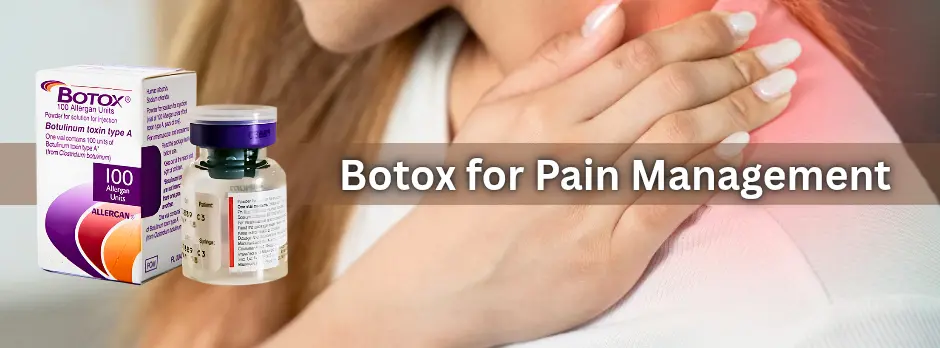
Are you aware that Botox is not just a cosmetic procedure anymore? You may not know, but Botox is a key factor in managing pain for many people.
Botox injections are commonly well-known for cosmetic purposes. They are also used for neck spasms, an overactive bladder, and excessive sweating. But many individuals are unaware of their pain-relieving properties.
Botox is a neurotoxin used to alleviate severe pain. Botox injections for pain can bring much-needed pain relief and enhance the quality of life for patients who suffer from chronic pain.
Do you think Botox for pain relief might work for you? Read on to understand the benefits and risks of this treatment for pain.
What is Botox?
Botox is a neurotoxin derived from the bacterium Clostridium Botulinum and known for medical and cosmetic purposes. It works by temporarily blocking nerve signals to muscles, preventing them from contracting. This helps reduce wrinkles and various medical ailments.
In aesthetics, Botox is widely used to reduce signs of aging, such as wrinkles and fine lines on the forehead, between the eyebrows, and around the eyes. The treatment is minimally invasive, appearing within just a few days and lasting for 3-6 months [1].
Can Botox Help Reduce Pain?
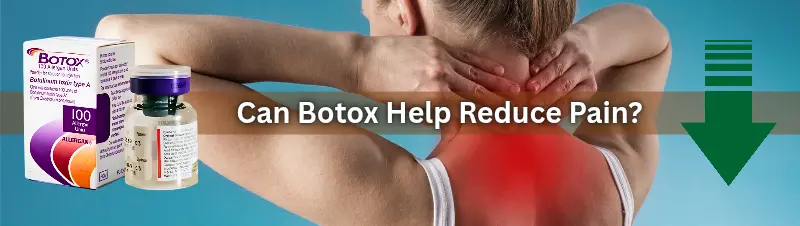
Yes. Botox can reduce some types of pain by relaxing muscles and blocking pain signals, but it does not work for all pain [2].
How Does Botox Work for Pain?
The mechanism of action of Botox for pain is complex. When injected into the affected area, Botox works by blocking the release of a neurotransmitter called acetylcholine, which is responsible for muscle contraction. This temporary paralysis of the muscle helps alleviate tension, spasms, and the associated pain. Botox also inhibits the release of certain inflammatory mediators and neuropeptides, which can lead to the perception of pain.
By disrupting the pain-signaling pathway, Botox can effectively reduce the intensity and frequency of pain episodes. This targeted approach allows for a more localized treatment, as Botox is injected directly into the areas of concern, reducing the impact on surrounding tissues and lowering the risk of systemic adverse effects.
According to a 2018 study by Raj Kumar, Botox has great potential for pain management. It may also be beneficial for the pain treatments where other options are not effective, with no adverse effects.
Conditions that are managed with Botox
Conditions that are addressed with Botox, including [3]:
Migraine headaches: Botox is approved by regulatory bodies such as the FDA for the treatment of chronic migraines, defined as headaches occurring on 15 or more days per month.
By targeting the specific muscle groups that are associated with migraine pathogenesis, Botox can help alleviate the frequency and intensity of migraine episodes, providing much-needed relief for those who suffer from this condition.
A study by Nasrin Alanchari and colleagues suggested that Botox therapy offers a promising avenue for addressing chronic migraines, especially for those who have not benefited from traditional treatment options.
Chronic low back pain: Chronic low back pain is a condition that can significantly affect a person’s daily activities. Botox injections targeted at the specific muscle groups involved in lower back pain can help alleviate muscle tension and spasms, providing effective relief and improving overall well-being.
Temporomandibular Joint (TMJ) Disorders: TMJ disorders, characterized by pain and discomfort in the face, jaw, and surrounding areas, can also managed by Botox. By relaxing the muscles involved in jaw clenching and grinding, Botix can help reduce the symptoms associated with these disorders.
Tension headaches: Tension headaches that cause a dull, aching pain in the neck and head can also be managed effectively with Botox. By relaxing the muscles in the forehead, neck, and temples, Botox can help reduce the tension that contributes to these headaches.
Cervical Dystonia: It is a neurological condition characterized by involuntary muscle contractions in the neck and shoulders, which can cause chronic pain and discomfort. Botox injections can help relax the affected muscles, reducing muscle spasms and the associated pain.
Is Botox safe?
When it comes to the safety profile of Botox, the short answer is yes. Botox is safe when taken under the supervision of a qualified and experienced healthcare professional. However, like any medical procedure, it has potential risks and side effects.
The U.S. Food and Drug Administration (FDA) has approved Botox for several cosmetic and medical uses since 2002. This approval suggests that Botox has undergone rigorous testing to ensure its efficacy and safety for its uses. Its decades-long track record and widespread use provide further assurance of its safety [4].
Treatment Details
How should I prepare for Botox?
Ensure your healthcare professional has a current list of medicines and supplements you take. Certain medicines increase the risk of bruising at the injection site. These include blood thinners or anticoagulants such as Warfarin and nonsteroidal anti-inflammatory drugs. Alcoholic beverages can also make you more prone to redness and bruising; therefore, avoid alcohol for 24 hours before a procedure.
What should I expect during Botox treatment?
Your medical provider uses a fine needle to inject small amounts of Botox into the treatment site. Depending on the problem, you may receive several injections in different spots. Here’s what else you need to understand about Botox therapy.
Botox is an outpatient procedure; therefore, you can go home the same day.
Discomfort is generally mild. The injections may sting and feel uncomfortable, but the procedure is over fast. Your doctor might apply a topical numbing agent to your skin before giving injections.
You may be given anesthesia. If you are receiving injections for an overactive bladder, you may get local or regional anesthesia.
Aftercare
Unless your medical provider says otherwise, you can resume your work and most activities immediately after Botox treatment. To reduce swelling, redness, or bruising:
- Don’t put pressure or rub the treatment area for 12 hours.
- Don’t lie down for three to four hours after treatment.
- Avoid physical exertion for 24 hours.
Benefits and Risks
People choose Botox treatment because it offers several benefits. For example [5]:
- Minimally invasive, in-office procedure.
- Targeted pain relief with minimal adverse effects.
- No surgery or lengthy recovery time.
- Reduced reliance on pain medications
- Improved function and quality of life.
- Cost-effective.
While we have already mentioned that Botox is generally safe, there are some side effects associated with its use. The most common side effects include:
- Redness or swelling at the injection site.
- Mild pain or bruising
- Headaches
- Temporary muscle weakness
- Drooping eyelids or eyebrows (in rare cases).
Most of these side effects resolve on their own within a few hours to a few days.
What should you not do after Botox?
After Botox, avoid rubbing, touching, or massaging the injection site, skip heavy exercise for 24 hours, don’t lie down immediately, refrain from blood thinners and alcohol, and avoid heat exposure.
Potential Risks and Complications
Though rare, more serious complications can occur if Botox is taken improperly or if an individual has certain underlying health issues. Some of these risks include:
Allergic reactions: Though uncommon, some people may experience an allergic reaction to Botox, including symptoms like rash, itching, or breathing difficulties.
Botulism-like symptoms: In rare cases, Botox can spread beyond the treatment area and cause botulism-like symptoms, such as difficulty breathing or swallowing, speech issues, and muscle weakness. This is more likely to happen with improper administration or high doses.
Who should avoid Botox?
While Botox is well-tolerated for most individuals, a certain group of people should avoid the treatment. These include:
- Pregnant or breastfeeding women.
- Individuals with certain neuromuscular disorders.
- People with a known allergy to any of the ingredients in Botox.
When To Call the Doctor
Botox is a common procedure that’s rarely accompanied by serious adverse effects. However, you should call your doctor immediately if you experience:
- Vision problems, including blurred vision or drooping eyelids.
- Signs of urinary tract infection.
- Slurred speech
- Trouble swallowing
- Shortness of breath.
- Severe stomach pain.
- Numbness or paralysis in an untreated area.
Alternative Pain Management Options
While Botox can be beneficial for certain types of pain, it is not the only treatment available. Depending on your underlying condition, doctors may recommend medicines or other therapies as part of a pain management plan.
Medications for Managing Pain
Several medications are commonly used as alternatives or alongside Botox injections for pain management, including:
Tapentadol
Tapentadol is a centrally acting opioid pain reliever often prescribed for moderate to severe pain. It works by altering how the brain perceives pain. Tapentadol is available under several brand versions, such as Aspadol 100mg tablets.
Pregabalin
Pregabalin, also known as Pregabalin, is a widely used anticonvulsant used to treat nerve-related pain, such as diabetic neuropathy, fibromyalgia, and post-herpetic neuralgia. It works by calming overactive nerves that send pain signals to the brain.
Carisoprodol
Carisoprodol, also known as Soma, is a muscle relaxant that helps relieve discomfort caused by acute musculoskeletal conditions. It is used for short-term treatment of muscle spasms and associated pain.
Other Non-Invasive Options
In addition to medications, patients may benefit from:
- Physical therapy to improve mobility and reduce muscle tension
Lifestyle changes play an important role in non-invasive pain management and can even reduce the need for medical interventions. Natural approaches, such as incorporating anti-inflammatory foods like turmeric into your diet, may help alleviate chronic discomfort over time. Similarly, the use of essential oils such as lavender and peppermint can also provide an effective reduction in pain.
To learn about how turmeric may help alleviate pain and discomfort, you can read our blog “Turmeric for nerve pain“.
Conclusion
Botox is no longer just about improving appearance; it can also play an important role in managing certain types of pain. By relaxing muscles and blocking pain signals, Botox injections can help reduce discomfort and improve everyday life for people with painful conditions. While it is generally safe when done by a qualified professional, it’s important to understand the possible risks and whether it’s the right option for you. Always consult your doctor to determine if Botox is a suitable choice for your pain management.
FAQs
Is Botox for pain covered by insurance?
How long does it take for Botox to work for pain management?
Can Botox trigger autoimmune disease?
Is Botox good for pain relief?
What should you not do after Botox?
Is Botox painful?
References
- Botox injections, Gleneagles Hospitals
- Botox (Botulinum Toxin): What it is, Results & Side Effects, Cleveland Clinic
- How Botox for Chronic Pain Management Can Provide Lasting Relief, Spine Diagnostic
- Is Botox Safe? Everything You Need to Know, medicalsolutioncenter.
- Botox Injections, kansaspainmanagement.