

Premature Ejaculation
Dapoxetine Hydrochloride
Lidocaine
Erectile Dysfunction Treatment
Generic Viagra
- Kamagra Oral Jelly 100 mg
- Fildena 100 mg
- Vega Extra Cobra 120 mg
- Cenforce Professional
- Aurogra 100 mg
- Malegra 200 mg
- Cenforce 100 mg
- Cenforce 150 mg
- Cenforce 200 mg
Generic Cialis
Generic Levitra
Pain Meds
Pregabalin Capsules
Soma Pills
Tapentadol
Best Muscle Relaxer for Back Pain
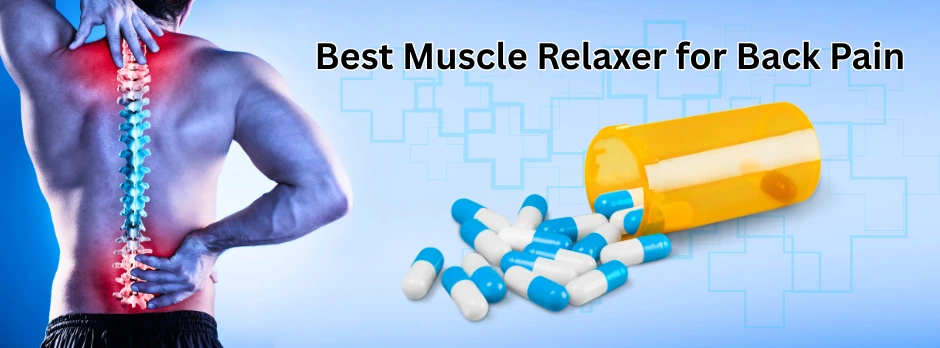
Back pain is something almost everyone deals with at some point. Sometimes it is a dull ache that won’t go away, and other times it’s a sharp, tight feeling caused by muscle spasms. When your back muscles tighten up, a muscle relaxer can help calm them down and reduce pain.
But which muscle relaxer works best for back pain? In this blog, we will explain the different types of muscle relaxers, how they work, and how to choose the right one for your back pain.
What are Muscle Relaxers?
Muscle relaxers are medicines used to address muscle spasms or muscle spasticity. They come in both prescription and over-the-counter products and work to improve your muscle’s ability to relax after contracting [1].
Causes of Back Pain
Understanding the root causes of back pain is important before determining whether muscle relaxers are the right option. Some of the common causes include [2]:
Muscle strain: Sudden movements or overuse can lead to strained muscles, causing stiffness and pain.
Poor posture: Prolonged standing or sitting with improper alignment can cause tension in the back muscles.
Injuries: Accidents, sports injuries, or falls often result in acute pain in the back.
Chronic conditions: Disorders like arthritis, herniated discs, or scoliosis often cause persistent pain.
Are Muscle Relaxers Effective For Back Pain?

Most episodes of sudden acute low-back pain are caused by muscle strain. By reducing muscle tightness, muscle relaxers may improve back pain [3].
A study published in 2003 indicated that muscle relaxers are effective for short-term relief of non-specific, acute low back pain, particularly when muscle spasms are present [4].
How Do Muscle Relaxers Work?
Muscle relaxers do not treat the underlying cause of pain directly. Instead, they help manage the symptoms by:
- Reducing muscle spasms: These medicines interfere with the transmission of nerve signals to relax tight muscles.
- Relieving pain: By reducing muscle tension, muscle relaxers alleviate associated stiffness and discomfort.
- Improving mobility: Relaxed muscles allow for better movement and decreased strain on surrounding areas.
Best Muscle Relaxer For Back Pain
Back pain can be caused by spasming muscles. Mild pain can often be addressed with over-the-counter medicines like nonsteroidal anti-inflammatory drugs (NSAIDs); however, for pain where OTC medicines just won’t cut it, your healthcare provider may prescribe something stronger.
Some of the best prescription muscle relaxers for back pain are [5]-
Caisoprodol
Corisoprodol, available under the brand name Soma, is generally used to address pain associated with acute musculoskeletal conditions. It relaxes the muscles and eases stiffness and pain often caused by an injury.
Soma is one of the most prescribed muscle relaxers for muscle spasms, and you may buy Soma online from a verified online platform. It is administered orally thrice a day for up to three weeks.
Methocarbamol (Robaxin)
Methocarbamol, available under the brand name Robaxin, helps ease muscle spasms, back pain, and tetanus spasms. It is used along with physical therapy to relax the muscles. It is taken orally in doses of up to 1500 mg or intravenously in 10ml of 1000 mg. Usually, the dose is higher in the initial 48-72 hours and is gradually reduced.
Metaxalone
Metaxalone, sold under the brand name Skelaxin, is a muscle relaxant that helps ease pain and discomfort caused by sprains, strains, or any injury. Skelaxin is used along with physical therapy, rest, and other measures for the relief of ongoing pain associated with any muscle spasms or injury. It is available in injections and tablets.
Cyclobenzaprine
Cyclobenzaprine helps ease stiffness, pain, and discomfort caused by muscle cramps and injuries. This muscle relaxer is available as an immediate-release tablet and extended-release capsules. The highest recommended daily dose of Cyclobenzaprine is 30 mg. This medication is not intended for prolonged use (more than 3 weeks).
Baclofen
Baclofen is primarily used to treat spasticity caused by muscle spasticity or spinal cord injury. It acts on the nerves of the spinal cord to produce its muscle-relaxant effects, thereby reducing the severity of muscle spasms. The medication improves muscle movement and relieves pain.
It can be administered orally or injected into the spinal theca (intrathecally). It is prescribed on a schedule that the dosages should increase gradually every three days.
Over-the-counter Medicines for Back Pain
Most healthcare professionals recommend Acetaminophen first if you are suffering from back pain because it has fewer adverse effects than other medications.
However, if your pain continues, your medical provider may suggest nonsteroidal anti-inflammatory drugs (NSAIDs). NSAIDs help reduce swelling around the swollen disk or arthritis in the back.
However, do not take these medications for more than two weeks without consulting a healthcare professional, as they can lead to serious adverse effects [6].
When Are Muscle Relaxers Prescribed for Back Pain?
Muscle relaxers are usually prescribed in the following situations:
Acute Pain Episodes: Short-term use to manage severe pain caused by muscle strain or injury.
Rehabilitation Programs: When combined with physical therapy to reduce pain and improve flexibility.
Post-Surgery Care: To alleviate muscle tension and promote faster recovery.
Chronic Conditions: As part of a wider pain management strategy for long-term problems.
Benefits of Muscle Relaxers for Neck and Back Pain
Some of the benefits of muscle relaxers for back pain are –
Quick Relief
Muscle relaxers act fast to alleviate muscle tension and pain, making them ideal for acute episodes.
Improved Sleep
Insomnia related to pain is a common problem for those with back pain. The sedative properties of muscle relaxers can help with better sleep.
Versatility
Muscle relaxers can address several issues, from severe muscle spasms to mild strains, making them a versatile option in pain management.
Support for Physical Therapy
By easing muscle stiffness, these medicines make physical therapy exercises for back pain more effective.
Risks and Side Effects
Although different types of muscle relaxers have a unique list of adverse effects, there are some common side effects that most muscle relaxers share. Many side effects are due to the muscle relaxer’s sedative effects.
Common side effects of these medications are
- Constipation
- Weakness
- Dizziness
- Headache
- Drowsiness
- Dry mouth
- Nervousness
- Blurred vision
- Indigestion
- Tiredness
Serious side effects may also occur. While they vary by drug, any drug can cause a serious allergic reaction. Symptoms may include breathing difficulties, hives, or swelling of the lips, face, tongue, or throat. If these symptoms occur, get emergency medical help immediately [7].
Note: Before taking a muscle relaxer, discuss potential adverse effects with a healthcare professional.
Which medications interact with muscle relaxers?
Muscle relaxers can interact with other medicines and substances. That’s why it is essential to let your doctor know about your medical history and which supplements or medications you are taking.
Common medications that can interact with muscle relaxers include antidepressants, sedatives, and antihistamines.
Alternatives to Muscle Relaxers

While muscle relaxers are an effective option, they are not the only option for managing back pain. Some of the other treatment options include:
Physical therapy: Targeted exercises to strengthen muscles and improve your posture.
Heat and cold therapy: Alternating ice packs and heat packs to reduce inflammation and ease tension.
Massage therapy: Professional massages can help ease muscle tension and improve circulation.
Lifestyle modifications: Maintaining good body posture, incorporating regular physical activity, and managing stress can significantly reduce back pain.
Best Natural Muscle Relaxer For Back Pain
When dealing with mild back pain, many people turn to natural muscle relaxers as a safer alternative to prescription medications. Some natural substances known for their anti-inflammatory and muscle-relaxing properties include chamomile tea, Epsom salt, cayenne pepper, curcumin (found in turmeric), cherry juice, and comfrey. Essential oils like lavender and peppermint also provide soothing effects when used in massages or diffusers. In addition to these remedies, practices such as yoga, acupuncture, and regular stretching can help release tension and promote relaxation in tight muscles.
When to Consult a Doctor
It is important to see a doctor if you experience:
- Persistent or worsening pain even after treatment.
- Pain accompanied by unexplained weight loss, fever, or other unusual symptoms.
- Symptoms such as tingling, numbness, or weakness in the legs or arms.
- Difficulty performing everyday tasks due to severe discomfort.
A proper evaluation will help determine the best course of action, including whether muscle relaxers are right for you.
Conclusion
Back pain is common, and it can negatively impact your life. Fortunately, acute back pain gets better on its own for most individuals. But sometimes the pain gets in the way of life, and you will need medicines to address it. Over-the-counter medications or prescription muscle relaxants can be a good option to alleviate pain and get moving again.
FAQs
Should I take a muscle relaxer if my back hurts?
How long does a muscle relaxer take to kick in?
Is walking good for lower back pain?
Are there natural alternatives to muscle relaxers?
What vitamin deficiency causes back pain?
References
- 17 Common Muscle Relaxers and How to Identify Them, Healthline.
- Can Muscle Relaxers Relieve Neck and Back Pain? Gleasonhealthcare
- Which Muscle Relaxers Are Best for Neck and Back Pain? Goodrx
- Muscle relaxants for non‐specific low‐back pain, NCBI.
- Which Muscle Relaxers are Effective for Neck and Back Pain? Wphealthcarenews
- Medicines for back pain, MedlinePlus
- What is the best muscle relaxer? singlecare